 Ponchos Home Improvement LLC
The Importance of Maintaining Strong Walls
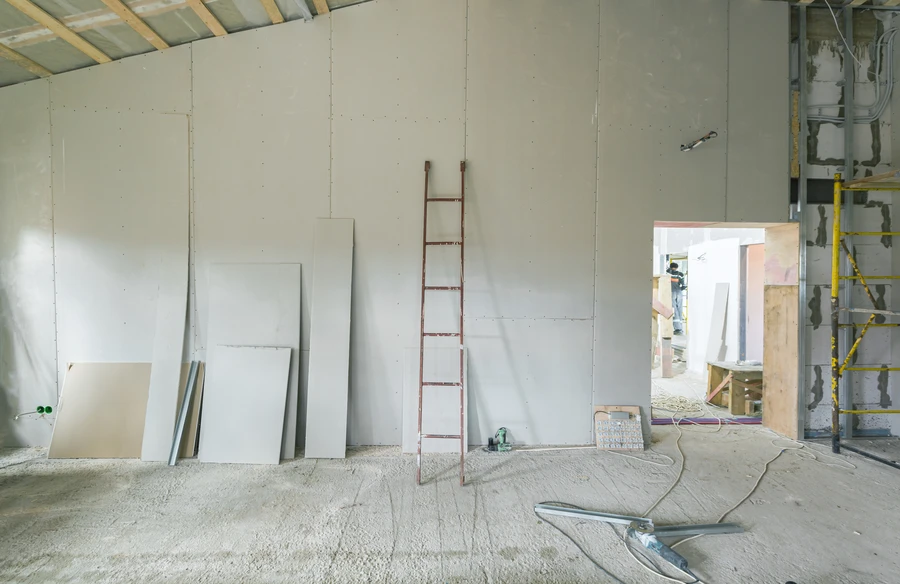
Walls play a vital role in the structure of any building. They provide support, define spaces, and add an aesthetic touch to interiors. However, over time, walls may experience damage due to various factors such as moisture, impact, or wear and tear. This damage can compromise the integrity and appearance of your walls. Understanding how to maintain their strength is essential for both structural safety and visual appeal.
Benefits of Restoring Wall Strength
Repairing damaged walls offers several advantages. Firstly, it helps maintain the property’s structural integrity, ensuring that your home or office remains safe and secure. Secondly, repairs enhance the overall appearance of your space by providing a clean and smooth finish. Finally, addressing minor issues early on can prevent more significant problems down the line, saving you time and money in the long run.
Identifying Common Wall Damages
Common types of wall damage include cracks, holes, and water stains. Cracks often appear due to settling foundations or temperature fluctuations. Holes usually result from accidental impacts or installations gone wrong. Water stains are typically caused by leaks or high humidity levels. Identifying these issues early allows for timely interventions that can mitigate further damage.
The Role of Drywall Repair in Restoration
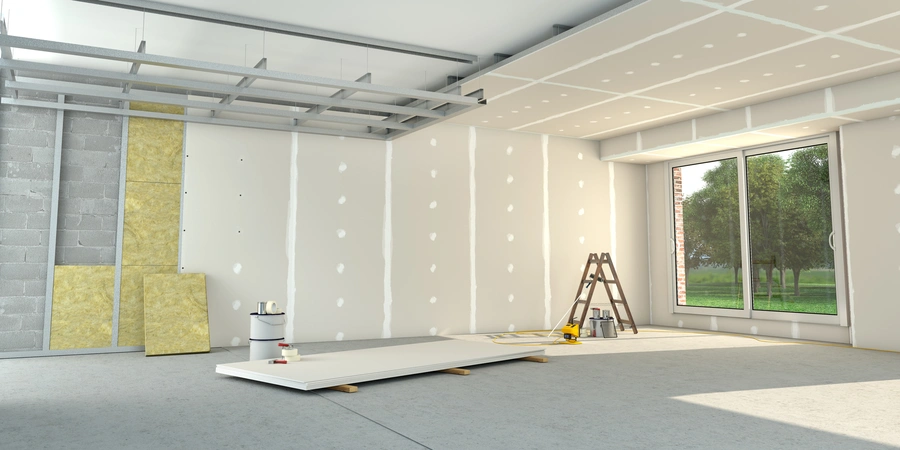
drywall repair plays a crucial role in restoring wall integrity. By addressing small cracks and holes promptly, you can prevent them from expanding and causing more extensive damage. Professional drywall repair involves assessing the extent of the damage, selecting the appropriate materials, and implementing effective techniques to achieve a seamless finish.
Steps Involved in Professional Wall Repair
A professional drywall repair process generally follows these steps:
- Inspection: Assess the type and extent of wall damage.
- Preparation: Clean the area and gather necessary tools and materials.
- Repair: Apply patches or fillers to address cracks or holes.
- Sanding: Smooth out repaired areas for a uniform surface.
- Finishing: Paint or texture the wall to match existing designs.
Tackling DIY Repairs With Caution
While some homeowners might attempt DIY repairs, it’s important to proceed with caution. Without proper knowledge or tools, you risk exacerbating the problem or leaving unsightly finishes. For minor damages like small nail holes, spackling paste can be a quick fix. However, for more substantial repairs, it’s wise to consult a professional who ensures quality outcomes.
Best Practices for Long-Lasting Wall Health
To ensure your walls remain in top condition:
- Regularly inspect walls for signs of damage.
- Control indoor humidity to prevent moisture-related issues.
- Use quality paints that protect against wear and weather.
- Address minor issues immediately before they escalate.
Cost Considerations in Wall Repairs
The cost of repairing wall damage varies based on the severity and size of the issue. Basic repairs like patching small holes are usually affordable. However, extensive repairs involving large areas or structural concerns might require a bigger budget. Investing in quality repairs not only maintains property value but also prevents future costly interventions.
Your Trusted Partner for Quality Repairs
If you’re facing wall issues, our team at Ponchos Home Improvement LLC is here to help. We specialize in professional wall repairs that stand the test of time. Located in Parsippany, NJ, we serve clients across the region with dedication and expertise. Call us today at (862) 812-3289 for reliable service tailored to your needs.